I have been designing printable documents and layouts for well over a decade, and if there is one thing I know for sure, it is that keeping your day organized can get overwhelming fast. When you have a million things bouncing around in your head, it is incredibly easy to let important tasks slip through the cracks. That is exactly why I put these to do list templates together.
Over the years I have noticed that most people don’t want a complicated piece of software that takes a week to learn. They just want something clean, straightforward, and print-ready that they can write on immediately. What you get here is a collection of printable to do list template options and editable task list sheets that let you block out your priorities, check off your chores, and keep yourself moving forward all without any extra fuss.
What Is a To Do List Template?
To put it simply, these are pre-made, blank layouts designed to help you map out your responsibilities. I have built them across flexible formats like Excel, Word, and PDF so you can systematically plan your routine. From a highly focused daily to do list template for your morning errands to a broader weekly planner template to see your whole week at a glance, they give you a quick way to look at your workload and see exactly what needs to happen next.
If you are trying to stay organized at the office, using a dedicated work to do list template or a structured project task list template can completely change how you manage your day. And honestly, the exact same thing applies at home. I use a simple personal task tracker template for tracking quick grocery runs, home chores, or fitness goals because having a physical checklist just works.
I put this whole collection of free to do list templates in Word and Excel together so you don’t have to waste time designing a layout from scratch. Grab the format that works best for your current routine, print it out, and hopefully this saves you some time today.
Why Use a To Do List Template?
Let let me be straightforward about this trying to manage your entire day from memory is a losing game. You end up bouncing from one random task to another without any real strategy, which usually leaves you feeling exhausted but like you didn’t actually get anything done. These layouts give you a physical way to see your responsibilities, so you can stop reacting to whatever pops up and actually take control of your time.
It Packs Everything Into One Place
The biggest perk here is that you can dump all your scattered thoughts and duties into a single, organized sheet. In my experience, breaking down a massive, intimidating project into smaller, bite-sized checkboxes is the absolute best way to actually get started. It clears out the mental clutter, meaning a busy workday or a hectic home life becomes a whole lot easier to manage.
You Get an Instant Productivity Boost
I know this for sure from my own past experience—there is nothing quite like the feeling of physically crossing a task off your list. It acts like a visual progress bar for your day. Every time you check a box, it gives you a little burst of momentum to tackle the next thing. Plus, looking back at a fully completed sheet at the end of the week lets you see exactly where your energy went, making it much easier to track your long-term goals.
They Are Completely Flexible
What I personally like about these templates is that they aren’t rigid cages. They are built to be fully customizable. If you are someone who likes a clean, minimalistic layout with just a few lines for the day, you can do that. If you prefer a highly detailed sheet with separate columns for notes and due dates, you can tweak it to do that too. Because they come in easy formats like Word and Excel, they can effortlessly slot into whatever routine works best for your specific style.
Popular Types of To Do List Templates
I have designed a massive variety of these over the years. Honestly, the layout you choose depends entirely on what you are trying to track whether you’re a student trying to map out a semester, a professional managing multiple project deadlines, or a busy parent just trying to keep the household chores under control.
Based on my experience designing these over the years, matching the right checklist layout to your specific routine is what makes all the difference. Here are the types I get asked for the most:
Work and Office To Do List Templates
These are easily the most popular layouts on the site because people love the convenience of having a physical piece of paper on their desk. I kept these designs incredibly straightforward just a clean column for your tasks and a row of satisfying checkboxes. They work perfectly if you just want to jot down daily chores or quick work assignments without worrying about complicated deadlines, priorities, or extra clutter.


Daily To Do List Templates
If you need to map out your day hour-by-hour and make sure your morning errands actually get done, this is the one to grab. These templates include dedicated spaces for dates, task durations, and checkboxes. It is a simple layout. Simple, but it keeps your daily routine moving forward seamlessly, which comes in incredibly handy for students and professionals who thrive on a structured day.


Weekly To Do List Templates
For those who like to step back and look at the bigger picture, a weekly view is a lifesaver. This layout breaks your week into clear blocks, letting you see exactly what lies ahead from Monday to Sunday. It makes it incredibly easy to spot upcoming workload peaks so you can balance your energy. The best part? It offers plenty of flexibility, meaning if you don’t finish a task on Tuesday, you can easily slide it over to Wednesday without throwing off your whole week.


Monthly To Do List Templates
These are built for long-term strategy. If you are an entrepreneur, a project manager, or just someone tracking recurring monthly bills and big milestone goals, you need a broad view. I designed these templates with extra space for critical events and overarching objectives, helping you integrate your long-term plans into your daily life without losing sight of the big picture.


Prioritized To Do List Templates
We’ve all had those stressful days where there is too much to do and not enough time to do it. That is where a prioritized layout comes in handy. It forces you to organize your tasks into brackets from highest to lowest priority. That way, your eyes go straight to the absolute most important things first, ensuring you don’t waste precious energy on minor tasks when you are up against a tight deadline.


Project and Team To Do List Templates
When you are collaborating with other people, a personal checklist isn’t going to cut it. I designed these templates specifically for team environments where you need to see who is doing what, and by when. It includes clear columns for the task description, the person responsible, the due date, and the current progress. It is a straightforward way to keep everyone accountable and on the same page.


Personal and Home Chore Do List Templates
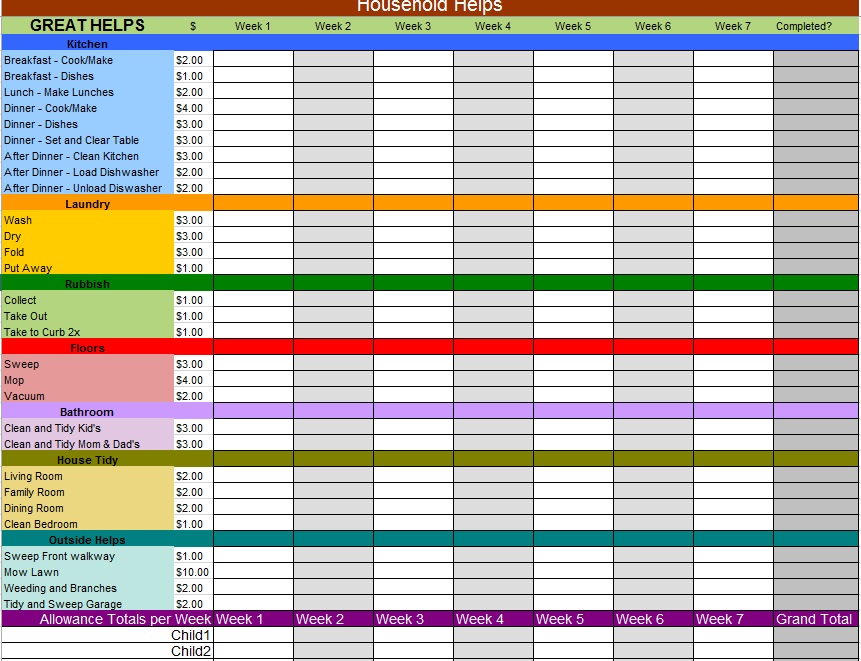
Managing a household is a full-time job in itself. I put these personal templates together to handle everything from deep cleaning schedules and grocery runs to tracking monthly utility bills and fitness habits. They are especially popular with busy parents or anyone looking to keep their personal life just as organized as their professional one.


Event-Specific To Do List Templates
Whether you are planning a wedding, a local workshop, or a big family party, a basic checklist will quickly get overwhelmed. These templates act as a step-by-step itinerary, breaking a massive event down into manageable phases. I included columns for task status, supplier contacts, and deadlines so you can keep all the moving pieces visible and make sure the big day runs without a single hitch.


How to Choose the Right To-Do List Template?
I put these templates together because I know people just want a ready-made structure nobody wants to waste time drawing grids on a blank sheet of paper every single morning. That said, everyone works differently. There is absolutely no one-size-fits-all approach to getting organized. The layout you choose really just needs to match your personal habits and whatever project you are tackling right now.
When you are browsing through the options below, the main thing to consider is the actual nature of your tasks. If you are just keeping track of quick, short-term things like running everyday errands or putting together a grocery list a simple to-do list with standard checkboxes is all you really need. It is a simple layout. Simple, but it gets the job done without extra clutter.
On the other hand, if your responsibilities stretch over a few days or involve multiple steps, you’ll want to grab a weekly layout or a project template. Those give you the extra columns you actually need for tracking priorities, due dates, and progress percentages.
One thing I should mention think about your environment, too. If you are working completely on your own, a printable version sitting on your desk is fantastic. But if you are managing a group, you’ll want to grab one of the Excel or Word formats that you can easily share digitally to keep everyone updated in real-time.
