In all my time putting these together, one thing that keeps coming up is how often people mix up an employment certificate with an experience letter. They sound almost identical. But here is the thing though — using the wrong one can actually delay a visa approval or stall a new job application.
I designed templates for both over the years because they serve completely different purposes.
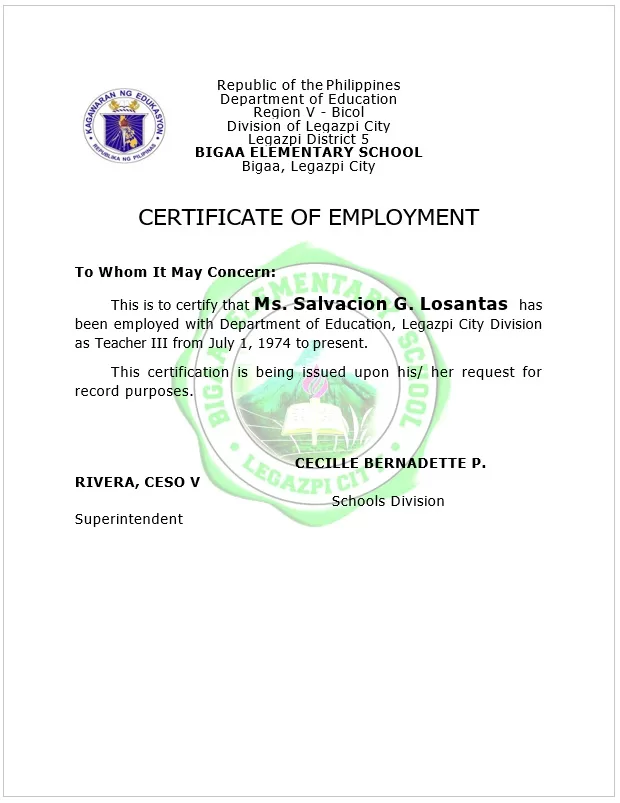
An employment certificate is usually all about the present moment. It proves you work somewhere right now, which comes in handy when a bank or an embassy needs to verify your current income and job stability. An experience letter, on the other hand, looks backward. Your company gives it to you when you leave — well, after you resign or finish a contract — to show future employers exactly what you achieved during your time there.
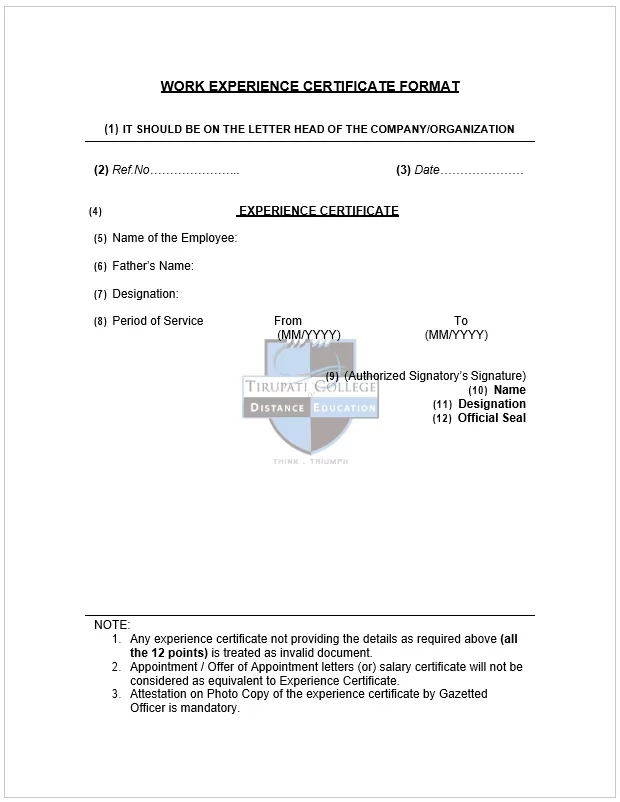
Speaking from experience — and I have designed quite a lot of these — a good experience letter focuses heavily on your skills and conduct, while a certificate sticks strictly to the cold, hard facts like your current title and salary.
I put this breakdown together so you don’t have to guess which document to ask your HR department for. Hopefully this saves you some time and clears up the confusion before you print anything out.
These two documents get confused constantly because both come from an employer and both mention job title and dates. Here’s the actual difference.
Comparison Table
| Employment Certificate | Experience Letter | |
| Purpose | Confirms you currently work somewhere | Confirms you used to work somewhere |
| When it’s issued | While still employed | At or after resignation/termination |
| Typical use case | Visa, loan, school admission, rental application | New job application, higher education, visa (past employment) |
| Includes salary? | Sometimes, if requested | Rarely — usually just role and duration |
| Includes performance remarks? | No | Sometimes (conduct, achievements) |
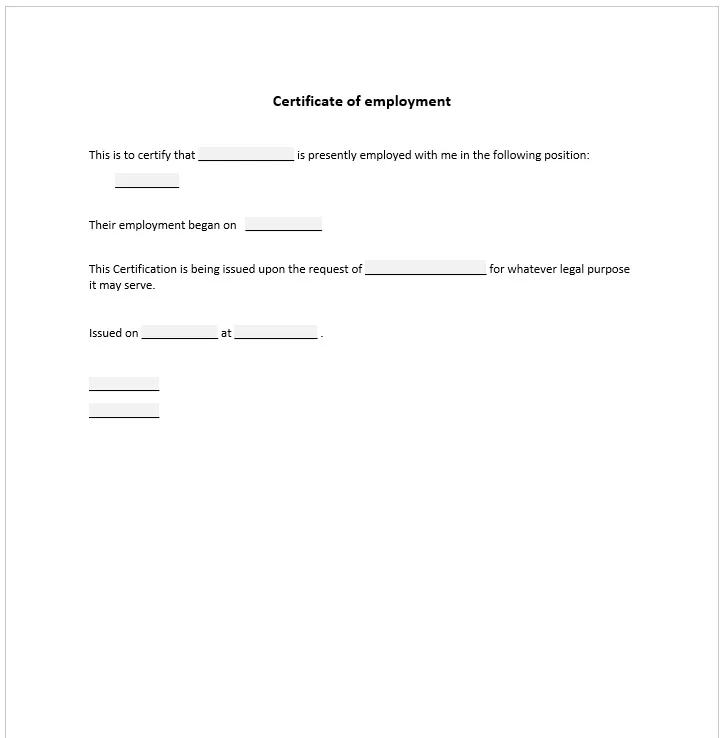
| Template | Employment Certificate → | Experience Certificate → |
Free Templates for Both
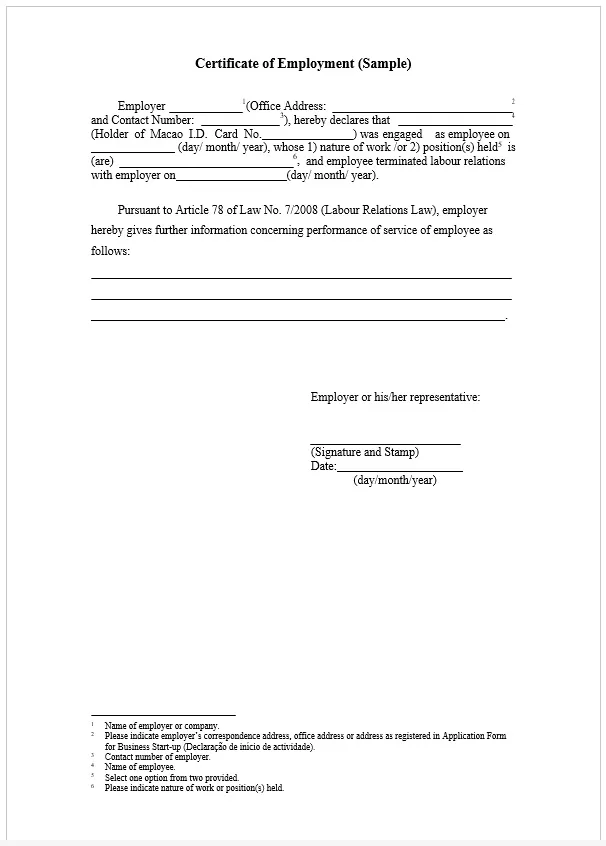
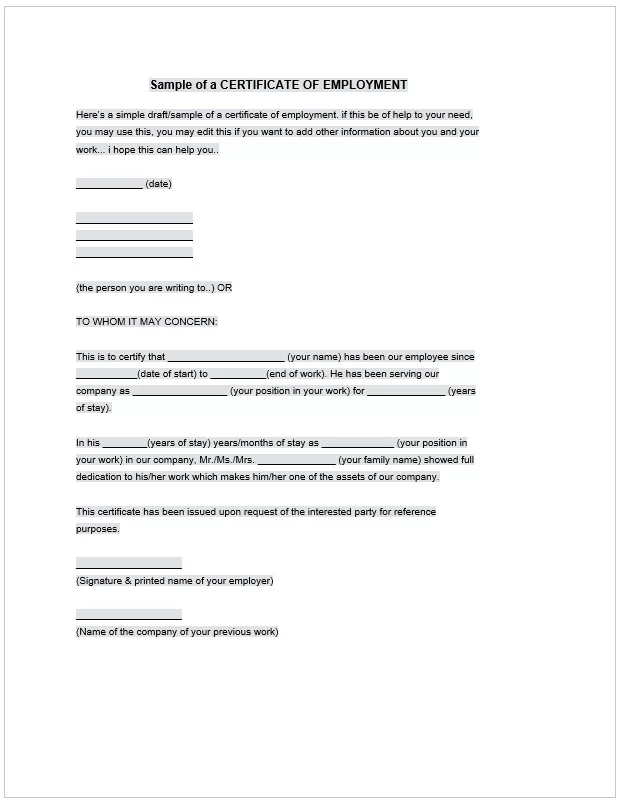
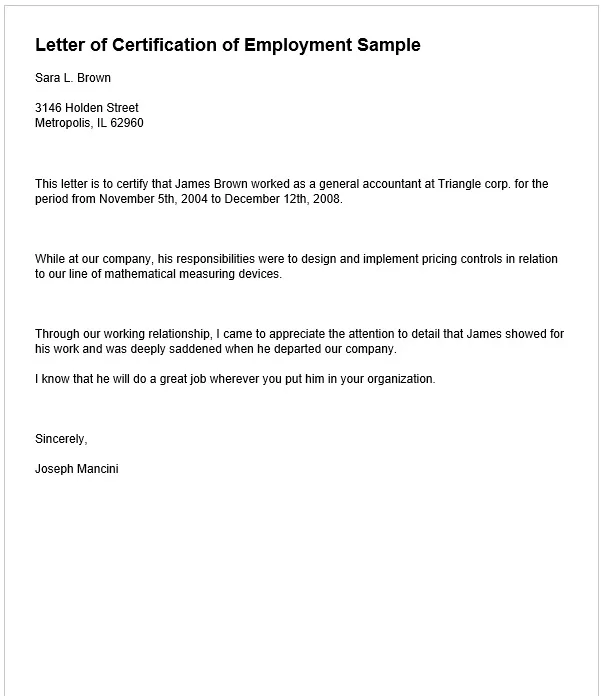
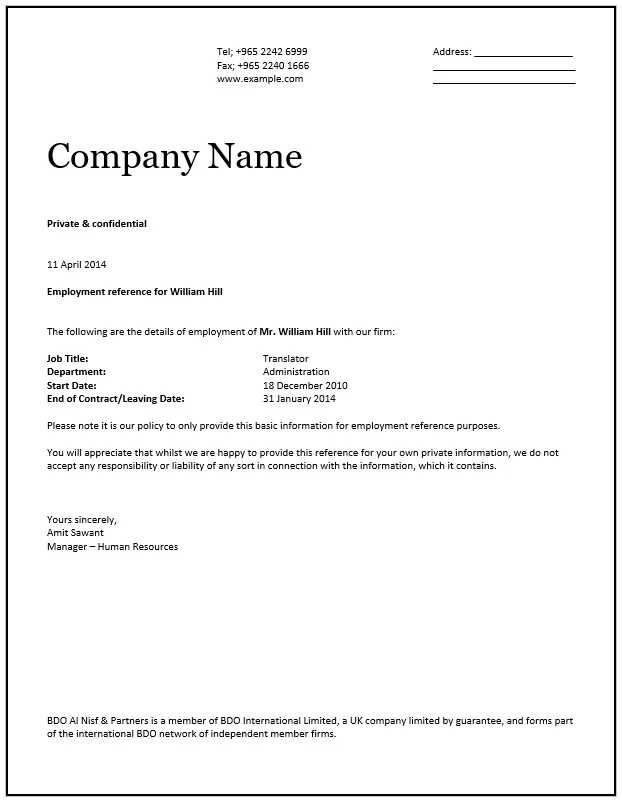
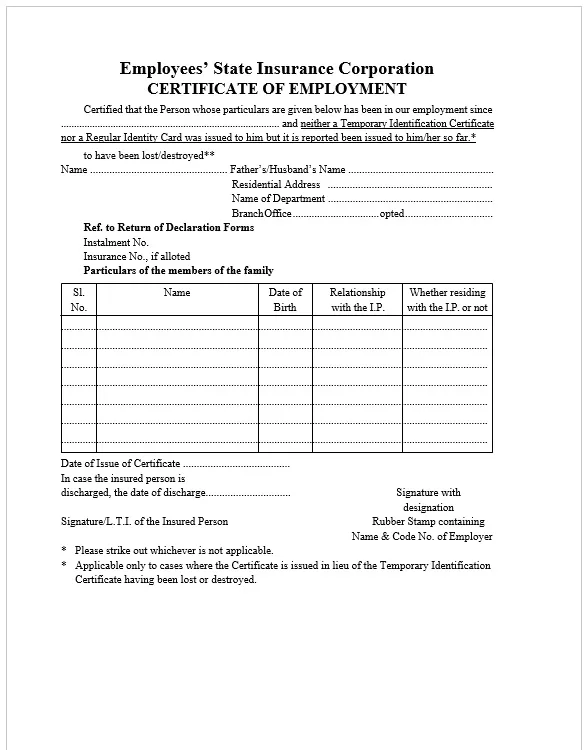
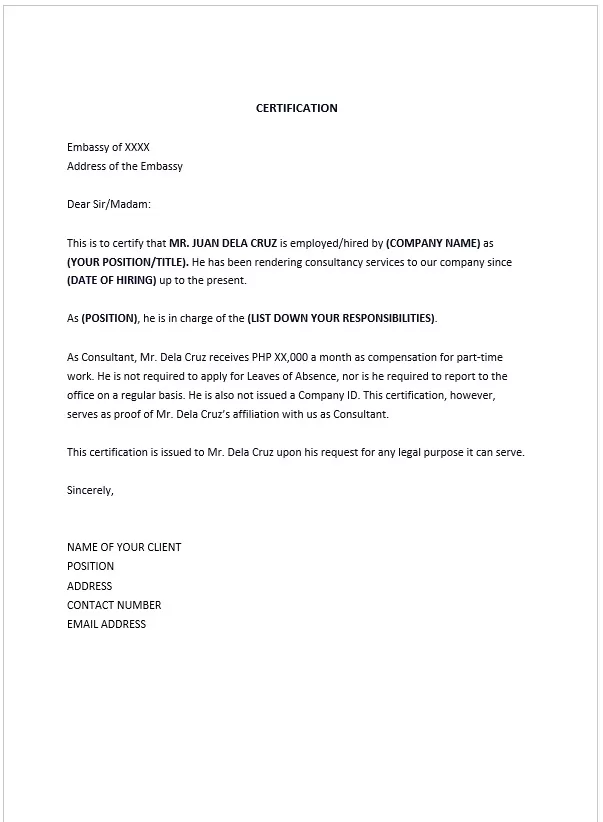
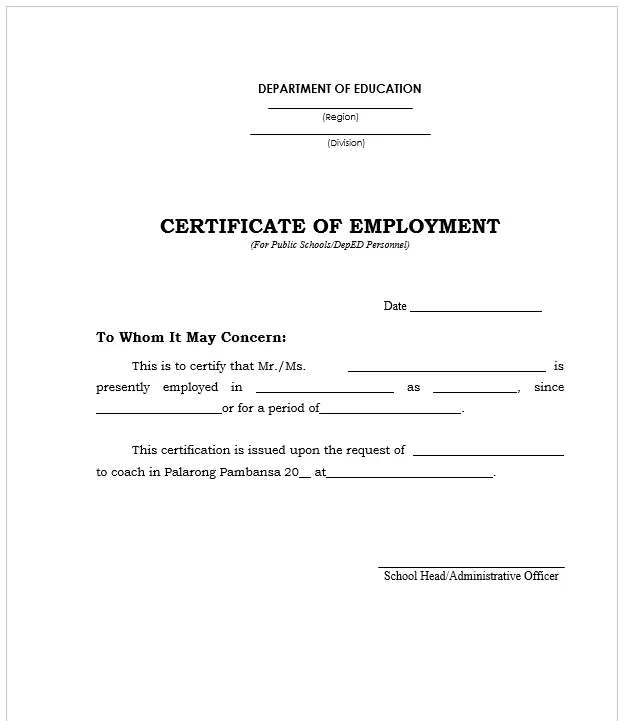
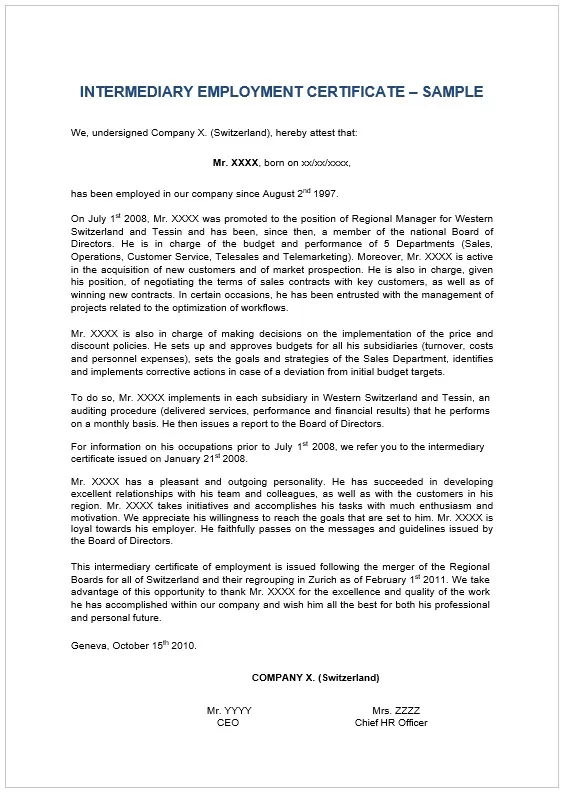
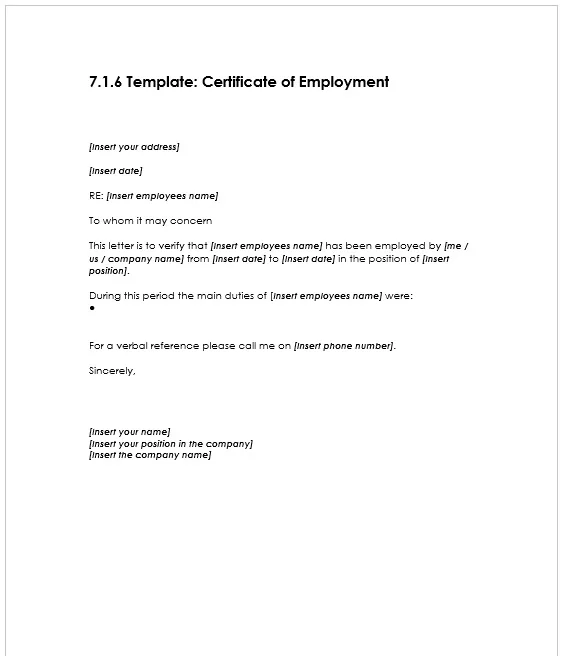
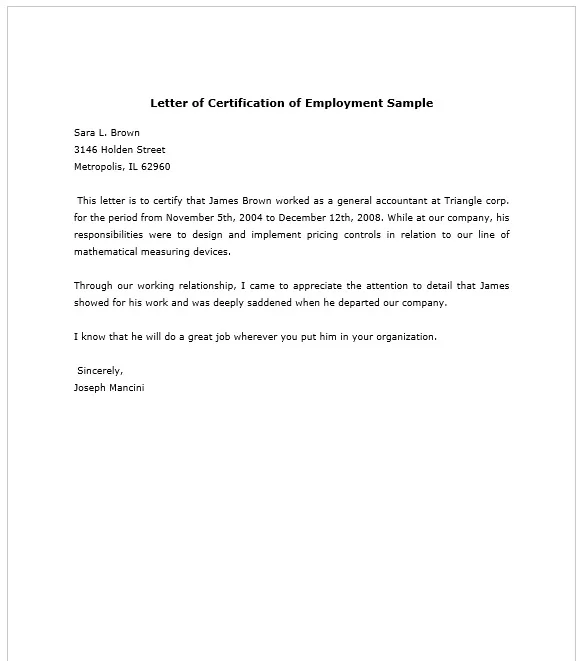
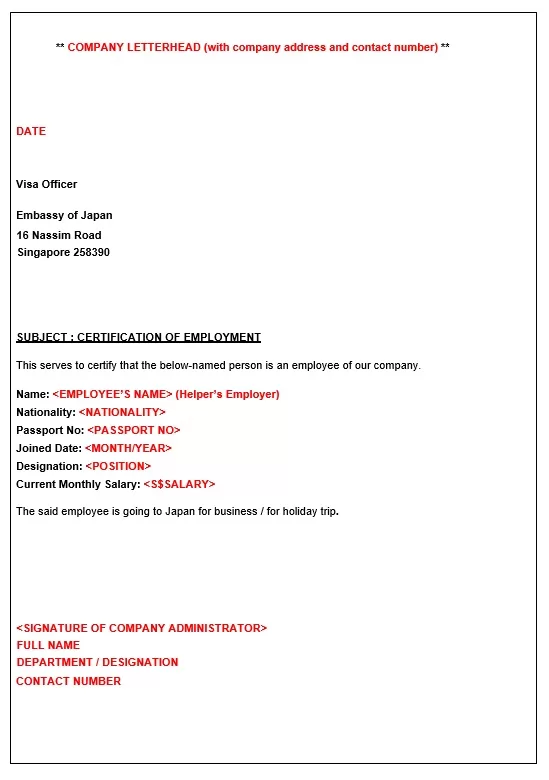
Checkout these sample certificates and I am sure you are going to like these.










Which one do you actually need?
- Applying for a loan, credit card, or apartment rental? → Employment Certificate or Salary Certificate
- Applying for a new job and need to prove past experience? → Experience Certificate
- Applying for a visa while still employed? → Employment Certificate for Visa
- Leaving your company and need a formal exit document? → Relieving Letter + Experience Certificate
Frequently Asked Questions
Can I use an experience letter instead of an employment certificate for my visa?
Generally, no. This might sound obvious but it actually makes a real difference to immigration officers. A visa officer wants to see an employment certificate because it proves you are currently tied to a job and have a strong reason to return home. An experience letter just shows where you used to work. If you submit a letter from a past job instead of proof of your current one, your application will likely face delays.
Who is responsible for signing these documents?
Both documents should come directly from your Human Resources department. In smaller companies without a dedicated HR team, a manager or the business owner can sign it. That said, whoever signs it needs to include their official title and contact info. I know this for sure from my own past experience—embassies and hiring managers do occasionally call to verify the details.
Does an employment certificate mention my salary?
It usually does, especially if you are using it for a visa or a bank loan. Banks and embassies need to know you can support yourself financially. However, if you just need the certificate for a standard background check, you can ask HR to leave the salary line out. The template I built has a dedicated salary section, but feel free to use it however works best for your situation.
Is an experience letter the same as a reference letter?
Not quite. It has three main details—well, four if you count the company letterhead: your job title, your start date, your end date, and a brief description of your duties. It is a formal, objective statement of facts. A reference letter is much more personal and includes a manager’s subjective praise about your work ethic and character.
Do these documents ever expire?
An experience letter never expires because your history with a past company doesn’t change. Your employment certificate is a different story. Over the years I have noticed that most organizations—whether it’s a bank, a landlord, or an embassy—will only accept an employment certificate if it was signed within the last 30 days. They want to see what your job status looks like right now.
