Over the years I have noticed that a lot of small business owners think internal financial controls are only for massive, multi-million-dollar corporations. They assume that because they have a small team, they don’t need strict rules. That is a massive mistake. In fact, smaller operations are usually the hardest hit by simple bookkeeping errors, missing stock, or casual employee theft. That is exactly why I put this guide together.
My over a decade of working with printable layouts tells me that you don’t need a massive team of compliance auditors to secure your cash flow. You just need a few basic, unbendable boundaries.
Here is the thing though — internal controls aren’t about micromanaging your staff or assuming people are dishonest. It is about creating a system where mistakes are caught early—well, before they turn into major financial losses that threaten your business.
What you get here is a practical, completely straightforward approach to protecting your hard-earned money. I have put together a collection of free internal control checklists, separation of duty matrices, and authorization forms. I kept the designs clean, the text lines up properly, and there are no extra cluttered sections you don’t actually need. They are ready to print on standard A4 or US Letter paper right out of the box.
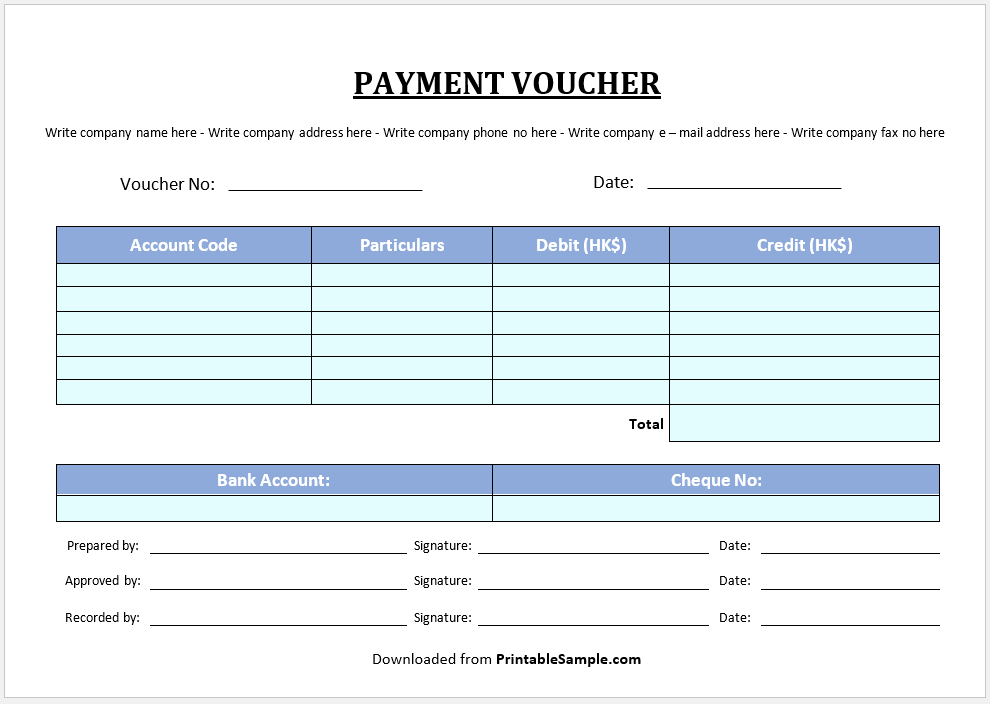
I have made these voucher templates completely free to download in Word and Excel. I put this together so you don’t have to start from scratch. Grab the files below, implement these simple steps, and hopefully, this gives you some real peace of mind today.





.
How to Prevent Cash Fraud in Business?
Based on my experience designing these templates over the years, cash is always the most vulnerable asset in any office. It doesn’t leave a digital trail on its own. If you don’t have clear boundaries around how paper money is handled, it is incredibly easy for small amounts to slip away unnoticed.
In all my time putting these together, one thing that keeps coming up is that cash fraud rarely happens because of a criminal mastermind. It usually happens simply because a business left a door wide open through sloppy paperwork.
To secure your daily cash flow without creating a hostile work environment, here are the essential practices I always recommend implementing:
- Enforce Strict Segregation of Duties: Let me be straightforward about this: the person who collects cash from customers should never be the same person who logs the transaction in the bookkeeping system. If one employee handles the money, inputs the entry, and reconciles the bank statement, there is zero oversight. Split these tasks between at least two people so they naturally check each other’s work.
- Mandate Sequential Pre-Numbered Receipts: Never use a generic receipt book from a local stationery store where pages can be torn out without anyone knowing. All my printable invoice and receipt templates use a strict sequential numbering system. If receipt #104 and #106 are logged, but #105 is completely missing, you know immediately that you need to investigate.
- Perform Regular Surprise Audits: This might sound obvious but it actually makes a real difference. If your staff knows that you count the cash drawer at exactly 5:00 PM every Friday, it is easy to cover up temporary discrepancies. Instead, drop in occasionally on a Tuesday morning—well, or any random afternoon—and do a spot check of the cash balance against the daily log.
- Eliminate Blank Check Signing: I will be honest — writing your signature on a blank check because you are heading out of the office for a few days is an open invitation for financial trouble. If you are unavailable to sign payments, establish a secure dual-signature policy with your bank where two senior managers must authorize an expense before funds can move.
I have built a simple cash reconciliation checklist that you can print out and keep right next to your safe or cash drawer. It takes less than five minutes a day to fill out, but it establishes a permanent, airtight paper trail. Download it below, hand it to your team, and make sure your cash stays exactly where it belongs.
Frequently Asked Questions
What is the single most important financial control for a micro-business with only 2 or 3 employees?
When your team is that small, you cannot fully separate everyone’s duties. In my experience, the absolute best control in this situation is the owner’s direct involvement in reviewing the bank statements. Do not just let your bookkeeper handle the banking. Have the original bank statements sent directly to your personal email or home address, and spend 15 minutes a month matching the actual bank withdrawals against your internal office vouchers.
What is the difference between preventive and detective controls?
It comes down to timing. Preventive controls are designed to stop an error or fraud from happening in the first place—well, like putting a padlock on the cash box or requiring a manager’s signature before a check is written. Detective controls are designed to catch a problem after the fact. Regular bank reconciliations and surprise audits are great examples of detective controls; they tell you exactly where something went wrong so you can fix it.
How can I prevent fraud in digital and online bank transfers?
Digital fraud moves much faster than physical cash fraud, but the rules to stop it are very similar. Always set up “Dual Authorization” or “Maker-Checker” controls on your corporate banking portal. This means one employee can type in the payment details (the maker), but the bank will not release the funds until a senior manager or the owner approves it via a secure token or mobile app (the checker).
Does implementing strict financial controls mean I don’t trust my staff?
Not at all. Let me be straightforward about this: good financial controls protect your honest employees just as much as they protect your business. When a cash drawer goes missing or a number doesn’t add up, a lack of clear paperwork puts everyone under suspicion. Having an airtight system means nobody can be unfairly accused of making a mistake or taking money, which actually improves office morale.
How often should we update our internal controls checklist?
Over the years I have noticed that businesses grow, but their rules stay exactly the same. You should review your financial controls checklist at least once a year. If you have adopted new software, started taking digital payments instead of cash, or hired new office staff over the past 12 months, your old checklist won’t cover your new vulnerabilities. Take a look at it every January to ensure it still matches how your business actually runs.
