Over the years I have noticed that a lot of small businesses lose a shocking amount of money simply because they don’t track the small stuff. It’s easy to focus on big client invoices, but those tiny, daily expenses—like buying coffee for a client, grabbing a roll of packing tape, or reimbursing a staff member for emergency postage—can add up to thousands of dollars by the end of the year. That is exactly why I put this petty cash management guide together.
My over a decade of working with printable layouts tells me that managing an office cash drawer shouldn’t feel like rocket science. You don’t need expensive software. You just need a straightforward policy and a clean log to ensure that every single dollar is accounted for before it leaves the box.
Here is the thing though — without a clear set of rules, your petty cash drawer will quickly turn into an unmonitored personal piggy bank for the office.
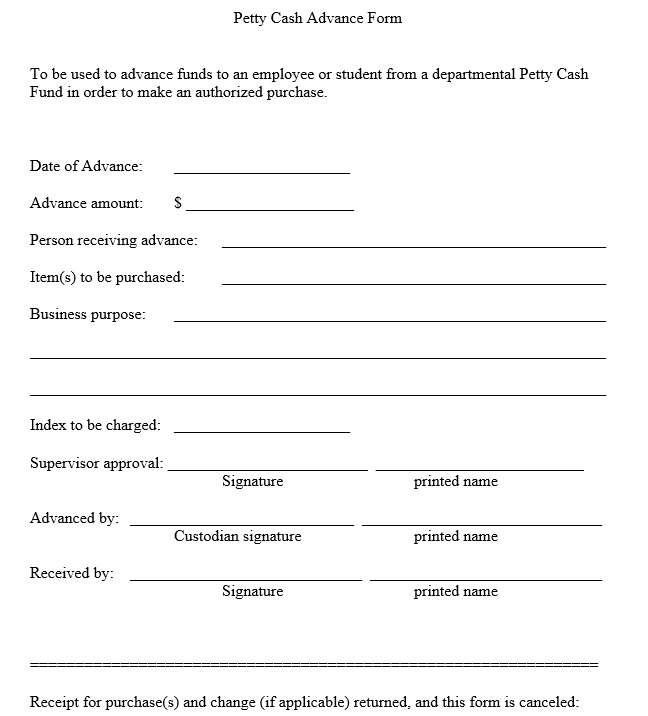
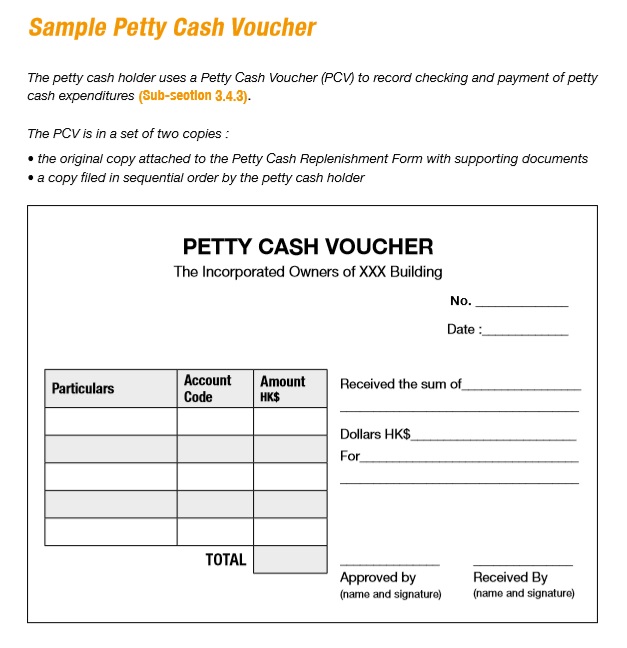
What you get here is a practical, no-fuss breakdown of how to set up an airtight petty cash system, along with a collection of free templates. I designed these forms with clearly separated sections for voucher numbers, dates, expense categories, and authorized signatures—well, a small section for the recipient’s signature too, which is highly critical. Everything prints cleanly on standard A4 and US Letter paper, so you can just slip them right into your cash binder.
Free Petty Cash Vouchers
I have made these resources completely free to download in Word and Excel formats. I put this together so you don’t have to start from scratch. Grab the layout that works best for your team, print it out, and hopefully, this saves you some time and keeps your office expenses perfectly organized.





Practical Petty Cash Management
Based on my experience designing these over the years, running a smooth cash drawer comes down to a simple, predictable routine. You do not need a complicated accounting degree. You just need to follow a system where every single dollar leaving the box is replaced by a matching piece of paper.
In all my time putting these together, one thing that keeps coming up is that the absolute best way to manage this is by using the Imprest System.
It sounds like technical bookkeeping jargon, but it is actually incredibly straightforward. You start with a fixed amount of money in your lockbox—let’s say $100. As employees need small things, you hand out cash and collect receipts. At any given moment, the total amount of cash left in the box plus the total dollar value of your receipts must equal exactly $100.
To keep this running without any fuss, here are the practical steps I always recommend:
- Appoint One Single Custodian: Let me be straightforward about this: if everyone has access to the cash box, keys, or drawer, money will go missing. Pick one person—like your front desk administrator or office manager—to be the sole custodian. They are the only individual allowed to open the box and hand out cash.
- Enforce the “No Receipt, No Cash” Rule: This might sound obvious but it actually makes a real difference. Never hand out money without getting a receipt back. If an employee is going to the store, give them the cash, write a temporary slip, and make sure they bring back the exact change and the store receipt within the same day.
- Log Every Transaction Immediately: Don’t wait until Friday afternoon to write down where the money went. Keep a physical log sheet right inside the cash box. Every time the custodian hands out a dollar, they should immediately write down the date, the voucher number, and the amount.
- Reconcile and Replenish Regularly: Once a week—or whenever the cash gets down to about $20—the custodian should tally up all the receipts, make sure the math balances perfectly, and hand the receipts over to the main accountant. The accountant then writes a check to bring the box cash back up to the original $100.
I have designed a practical petty cash log sheet and voucher format that automates this whole process for you. The rows are lined up properly and the columns are wide enough to write in easily. Feel free to use it however works best for your office situation.
Frequently Asked Questions
What is a reasonable amount of money to keep in a petty cash box?
There is no single magic number, but from what I have seen, people who use this template usually keep between $50 and $250 in their box. It depends entirely on your office size. You want enough cash to cover about two or three weeks of minor, unexpected expenses—well, like office milk or emergency postage—without keeping so much cash on hand that it becomes a major security risk.
What can you not pay for out of petty cash?
Let me be straightforward about this: petty cash is strictly for tiny, immediate expenses. You should never use it to pay for regular utility bills, inventory from your main suppliers, or travel advances. And honestly, the biggest mistake I see is managers using it to cash personal checks or advance employee salaries. Those should always go through your main bank account or payroll system.
How often should the petty cash box be audited?
You should do a quick check every single time you replenish the box, but a formal, unannounced audit should happen about once a month. Have a manager or accountant—someone other than the regular custodian—count the cash and receipts to make sure the math lines up perfectly. I know this for sure from my own past experience: regular, surprise check-ins are the absolute best way to stop casual dipping before it starts.
What should I do if the cash box doesn’t balance?
Don’t panic, but don’t ignore it either. If you are short by a few dollars, double-check all your recent receipts and math. If you still can’t find the error, you have to log the missing amount under an account called “Cash Over/Short.” If it happens once for a couple of bucks, it’s usually just an innocent mistake in change. But if the box is consistently short every week, it’s time to review who has access to the keys.
How do I store petty cash receipts safely?
This might sound obvious but it actually makes a real difference: do not just throw them loosely into the bottom of the box. Store them chronologically. I always recommend stapling each store receipt directly to its matching, signed petty cash voucher. At the end of the month, bundle them all together with your main log sheet and file them away in a secure cabinet so they don’t fade or get lost before tax season.
