Over the years I have noticed that a lot of small business owners treat bookkeeping like it is some sort of dark art. It really isn’t. But if you don’t keep track of the cash moving in and out of your business, things can get chaotic incredibly fast. That is exactly why I put this accounting vouchers guide together.
My over a decade of working with printable layouts tells me that a clean, well-structured financial voucher is the backbone of any organized office. Every time money changes hands—whether you are paying a supplier, reimbursing a staff member for coffee, or receiving a cash payment from a client—you need a paper trail. You cannot just rely on your bank statements.
Here is the thing though — a receipt voucher looks completely different from a payment voucher or a journal voucher. If you mix them up, your accountant will probably have a minor meltdown come tax season.
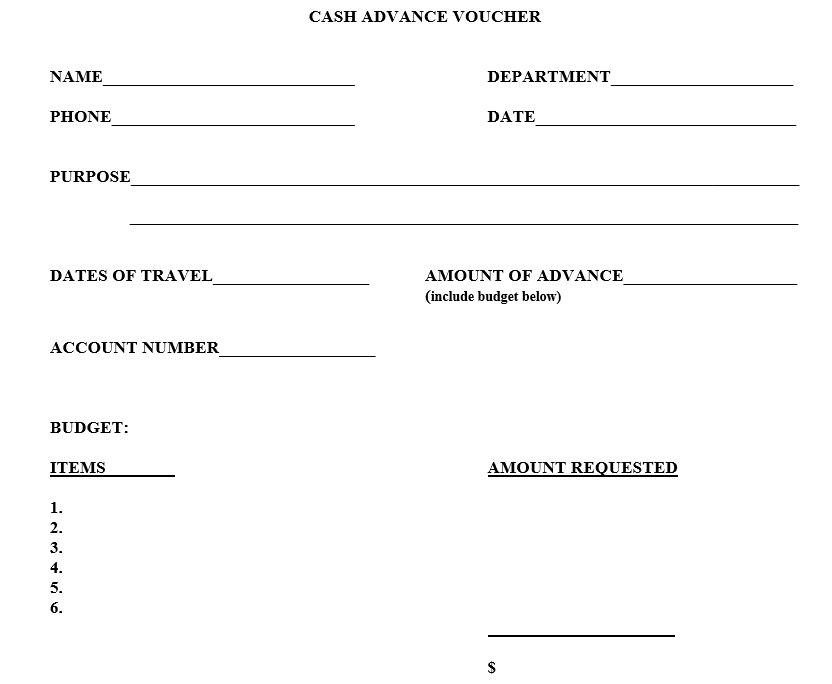
What you get here is a straightforward breakdown of how these documents actually work, along with a collection of professional, no-fuss voucher templates. I designed them with clear tables, properly aligned text blocks, and dedicated spaces for account codes, descriptions, debits, credits, and authorized signatures. They fit perfectly on standard paper sizes—well, A4 or US Letter, depending on what your office printer uses—so they are 100% print-ready out of the box.
Free Voucher Templates to Download
I have made these templates completely free to download in both Word and Excel formats. I put this together so you don’t have to spend hours building financial forms from scratch. Grab the layout that fits your transaction, fill it in, and hopefully, this saves you some time and keeps your books perfectly balanced.



Common Types of Account Vouchers
In all my time putting these together, one thing that keeps coming up is that people often get overwhelmed by the different names used in bookkeeping. They think they need dozens of different forms. But honestly, once you strip away the corporate jargon, almost every transaction falls into just three or four main categories.
Speaking from experience — and I have designed quite a lot of these — keeping your types separate is what makes a financial audit completely painless.
Here is a straightforward breakdown of the common vouchers I use and recommend for daily business operations:
1. Payment Vouchers (Debit Vouchers)
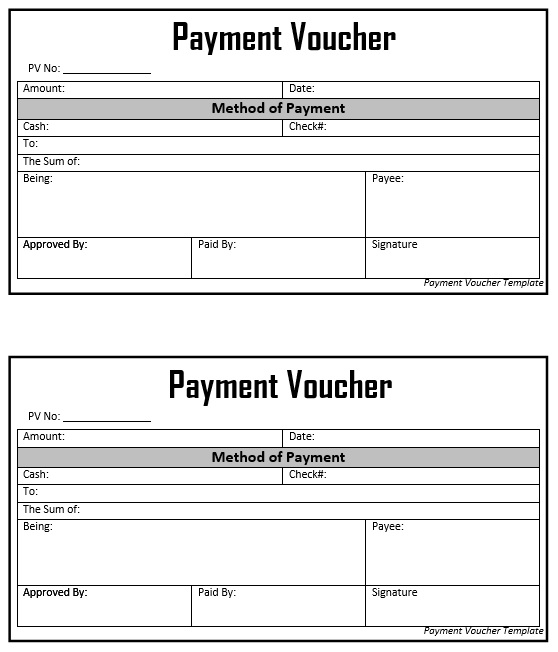
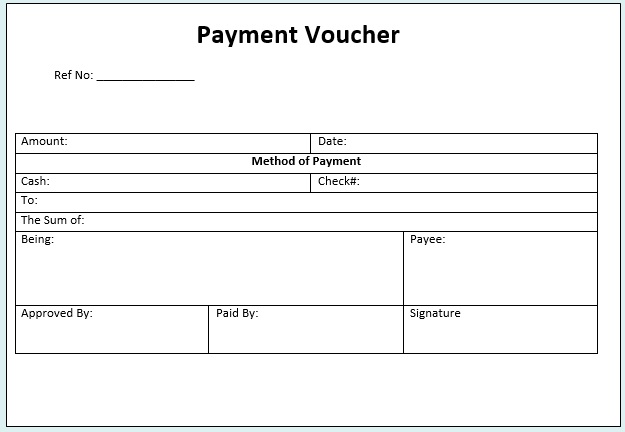
This is the layout you will probably use the most. You fill out a payment voucher whenever cash or bank funds are leaving your business. Whether you are writing a check for office rent, paying a vendor for inventory, or disbursing petty cash to an employee for office supplies, this document proves you actually made the payment. I designed this template with a prominent section for the recipient’s signature so they can confirm they received the money.
2. Receipt Vouchers (Credit Vouchers)
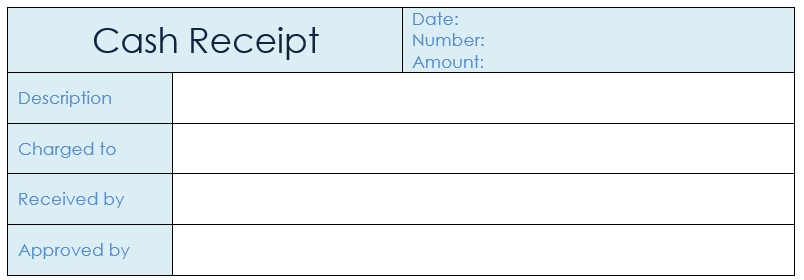
This one is the exact opposite of a payment voucher. You use a receipt voucher to record any money coming into your business. When a customer pays you in cash, or a client clears an open invoice via bank transfer, you log it here. My over a decade of working with printable layouts tells me that banks love seeing these matched up with your monthly deposits, so I made sure there is a dedicated field to input the transaction date and payment method.
3. Journal Vouchers (Transfer Vouchers)
Let me be straightforward about this: journal vouchers are for the non-cash transactions that happen purely on paper. If you are adjusting an entry, correcting a bookkeeping error made last month, or accounting for regular depreciation on office equipment, you use a journal voucher. It features a strict side-by-side debit and credit format—well, two main columns really—to ensure your double-entry accounting stays perfectly balanced.
4. Petty Cash Vouchers
This is a smaller, simplified version of the standard payment voucher. It comes in handy for those tiny, daily office expenses—like buying a box of pens, paying for a courier, or grabbing milk for the office kitchen. Because these are for small amounts, I kept the layout incredibly compact. It fits multiple vouchers on a single page, which saves you paper when you print them out for the office kitchen or front desk.
I have included separate, dedicated templates for each of these types below. They are all pre-formatted and ready to use, so you can just grab the specific layout that matches your transaction and print it out immediately.
Frequently Asked Questions
What is the difference between an invoice and an accounting voucher?
They look similar, but they serve completely different parts of the transaction. An invoice is a request for payment that a seller sends to a buyer. An accounting voucher, on the other hand, is an internal document created by your own accounting team after the payment happens. It acts as proof that the invoice was reviewed, approved, and officially recorded in your company’s ledger.
Why does a voucher require multiple signatures?
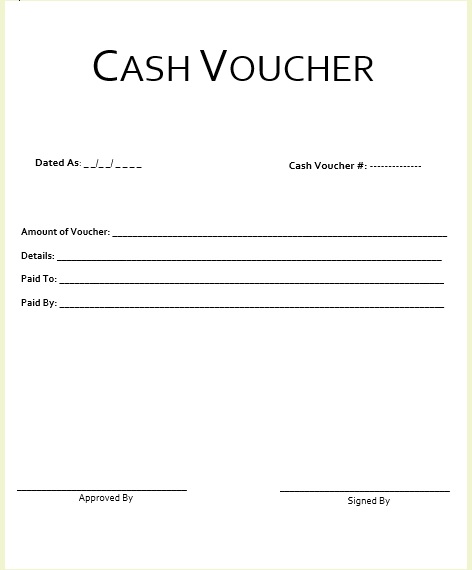
In all my time putting these together, one thing that keeps coming up is that a single signature is a massive fraud risk. A proper voucher usually has three distinct signature lines—well, four if it is a major expense. You need the person who prepared it, the person who checked the numbers, and the manager who authorized the payout. This keeps everyone accountable and makes sure no one is writing checks to themselves.
Can an accounting voucher be completely digital?
Yes, many modern offices use digital bookkeeping systems to store electronic vouchers. However, if your business still handles physical receipts, cash transactions, or physical checks, keeping a printed voucher binder is still the safest route. I know this for sure from my own past experience—tax auditors love a physical paper trail, and having a signed paper voucher attached to the original receipt makes audits move much faster.
What should I do if a receipt is lost? Can I still make a voucher?
You can, but you have to handle it carefully. If an employee loses a receipt for a business expense, you should use a petty cash or payment voucher as a substitute declaration. Write a thorough description of what was bought, why the receipt is missing, and have a senior manager explicitly sign off on the exception. It is not ideal, but it is infinitely better than leaving a blind spot in your books.
How long do I need to keep printed vouchers in storage?
Over the years I have noticed that most business owners underestimate this timeline. Tax authorities in most countries require you to keep all financial vouchers, receipts, and ledgers for at least 7 years—and sometimes up to a decade for corporate tax records. I always tell people to print these using clean, standard fonts on durable paper so the ink doesn’t fade into a blank sheet of paper while sitting in a storage box.
