Download these 8 free compliance certificate templates and samples to help you understand how a professional certificate of compliance may be structured. The collection includes examples for business documentation, electrical work, building design, product or technical requirements, and other situations where an individual or organization may need to certify that specified standards or requirements have been met.
A compliance certificate is generally used to formally confirm that particular work, products, processes, designs, or activities meet an identified requirement. The exact meaning of the certificate, who may issue it, and what information must appear on it can vary considerably between industries and jurisdictions. For that reason, a sample template is useful for understanding document structure, but it should not automatically be treated as an approved regulatory form.
If you are looking for other professional certificate formats rather than regulatory documentation, browse our complete collection of free printable certificate templates. That collection includes certificates for employment, training, achievement, attendance, and many other purposes.
What Is a Certificate of Compliance?
A certificate of compliance, sometimes called a compliance certificate or certificate of conformity, is a written declaration that specified requirements have been satisfied. Depending on its purpose, those requirements may come from legislation, building regulations, electrical safety rules, technical specifications, contractual terms, industry standards, or an organization’s own procedures.
For example, an electrical compliance certificate may document that electrical work has been completed and inspected according to applicable safety requirements. A building-related certificate may concern the design, specification, installation, or construction of a particular component. In manufacturing or purchasing, a compliance document may be used to state that a product conforms to an agreed specification.
This makes compliance certificates quite different from ordinary recognition certificates. An employment certificate, for example, normally verifies a person’s employment relationship, while a compliance certificate usually documents conformity with a defined requirement or standard.
When Is a Compliance Certificate Used?
Organizations may need compliance documentation when completing regulated work, supplying products, handing over a project, responding to an audit, maintaining safety records, or demonstrating that contractual requirements have been followed. The document can become part of a larger record that includes inspections, test results, drawings, invoices, permits, and supporting technical information.
Requirements differ substantially from one situation to another. Some certificates can be completed by a business or responsible employee, while regulated certificates may have to be issued or signed by a licensed professional, inspector, engineer, electrician, government authority, or another specifically authorized person.
If the work itself requires formal authorization before it begins, a work permit certificate or permit-to-work document may also be relevant. A permit generally authorizes or controls work, whereas a compliance certificate commonly documents conformity or completion.
What Should a Compliance Certificate Include?
There is no single layout that works for every compliance situation. However, a well-organized certificate should clearly identify what is being certified, which requirements apply, who is making the declaration, and when the certification was issued.
Depending on the certificate’s purpose, useful details may include the name of the organization, certificate number, client or owner information, site or project address, description of the work or product, applicable standard or specification, inspection or testing details, dates, declaration of compliance, and the name and signature of the authorized person.
Identify the Subject Clearly
The document should make it immediately clear what the certificate covers. Avoid vague descriptions such as “work completed” when a more precise description can be provided. For a construction project, this may mean identifying the building component and location. For equipment, it might include the manufacturer, model, serial number, or installation address.
State the Requirement or Standard
A compliance statement is much more useful when readers can determine what the subject is claimed to comply with. Where appropriate, identify the applicable regulation, standard, specification, drawing, contract requirement, or approved procedure. Do not copy references from a sample certificate unless they actually apply to your situation.
Include Certification and Authorization Details
The issuer’s name, position, organization, signature, and certification date are commonly important parts of the document. Regulated industries may also require a license number, registration number, qualification, official seal, or other authorization details.
Keep Supporting Records
A certificate may summarize compliance, but it does not necessarily replace the records used to establish it. Test reports, inspection sheets, photographs, calculations, approved plans, and other supporting documentation may need to be retained separately.
For products supplied with specific guarantees or coverage terms, our warranty certificate templates are more appropriate. A warranty explains obligations relating to repair, replacement, or product coverage and serves a different purpose from a declaration of regulatory or technical compliance.
8 Free Compliance Certificate Templates
The following collection contains eight sample compliance certificate formats. The first three were originally provided as Microsoft Word downloads, while the remaining five are PDF examples. They cover several different industries and jurisdictions, so use them primarily as formatting and documentation references.
Important: A downloadable sample does not establish that a form is currently accepted by a government agency, regulator, inspector, client, or licensing authority. Always confirm the current requirements that apply to your location and type of work before issuing or relying on a compliance certificate.
1. Professional Compliance Certificate Template
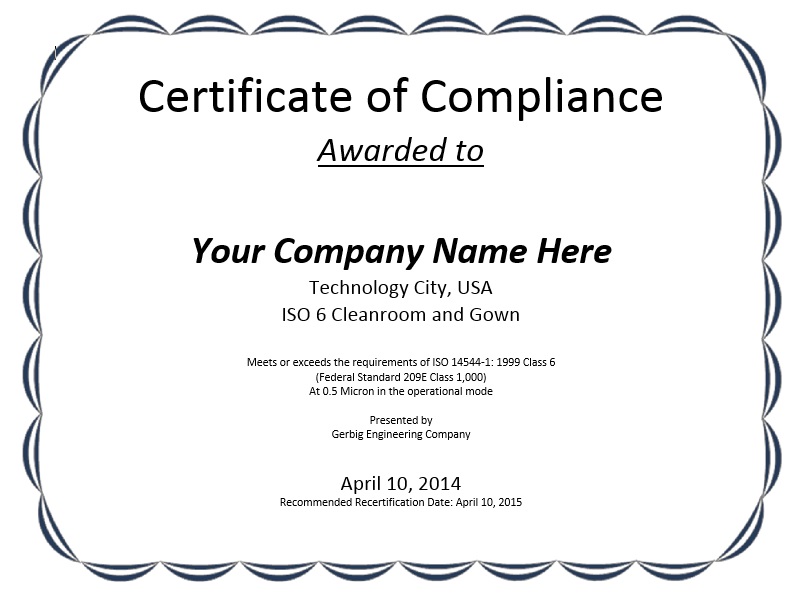
File Type: MS Word (ZIP File)
Source: mywordtemplates.org
2. Electrical Safety Testing Compliance Certificate

File Type: MS Word (ZIP File)
Source: worksafe.qld.gov.au
3. Building Design Compliance Certificate

File Type: MS Word (ZIP File)
Source: hpw.qld.gov.au
4. Electrical Certificate of Compliance

File Type: PDF (ZIP File)
Source: energysafety.govt.nz
5. Printable Certificate of Compliance
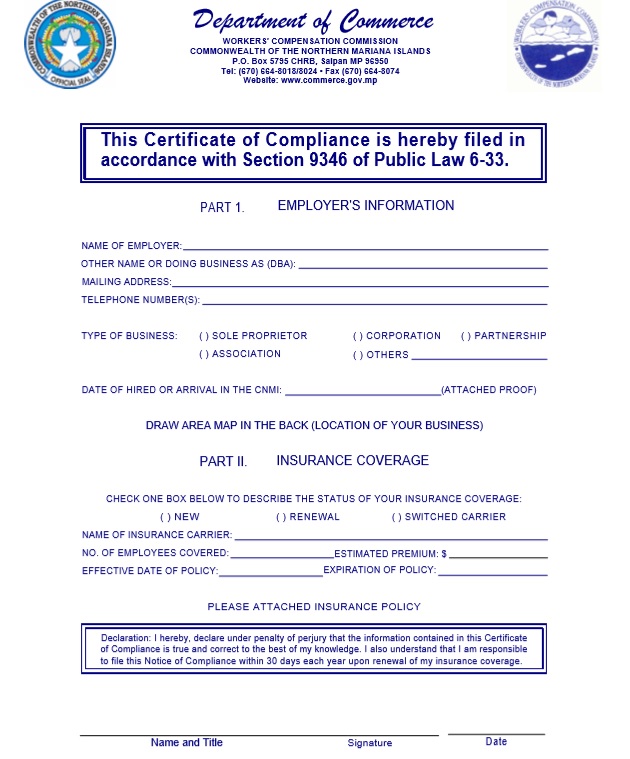
File Type: PDF (ZIP File)
Source: commerce.gov.mp
6. Sample PDF Certificate of Compliance
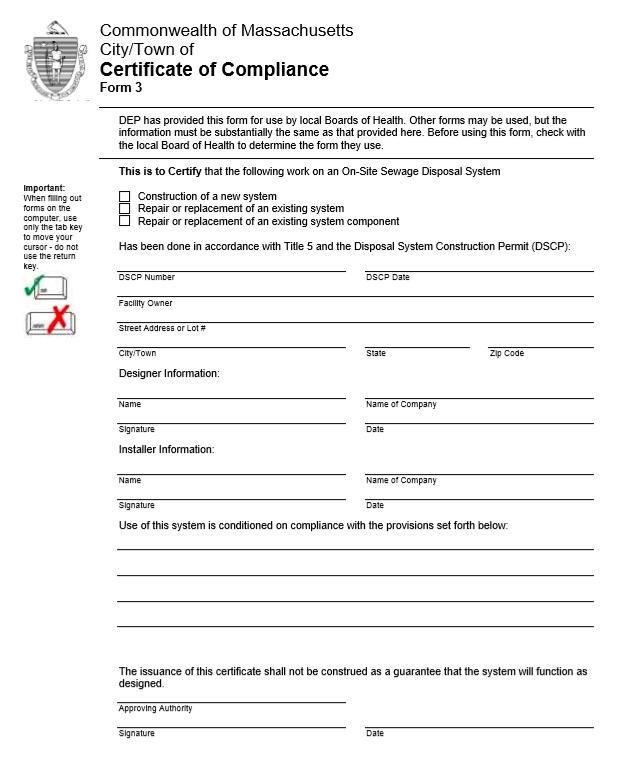
File Type: PDF (ZIP File)
Source: townofmtwashington.com
7. Simple Certificate of Compliance

File Type: PDF (ZIP File)
Source: downloads01.smarttech.com
8. Construction Compliance Certificate Sample

File Type: PDF (ZIP File)
Source: dot.ca.gov
How to Use a Compliance Certificate Template
Begin by choosing a sample that is reasonably close to the type of work or activity you need to document. Look at its organization rather than copying its legal wording. Identify the sections you need, remove fields that do not apply, and add any details required by the relevant authority, contract, standard, or company procedure.
Next, verify every technical and identifying detail. Names, addresses, dates, registration numbers, project descriptions, standards, model numbers, and test information should be accurate. A professional-looking certificate cannot compensate for incorrect information.
The declaration section deserves particular attention. It should describe only what the authorized issuer is actually able and permitted to certify. Avoid broad statements such as “fully compliant with all laws” unless that exact declaration is required and can legitimately be made.
After completing the certificate, keep a copy together with any supporting records. If certificates are issued regularly, consider assigning a unique document or certificate number so that each record can be traced later.
Do Not Treat a Sample as Legal Approval
Compliance documentation can have legal, contractual, and safety consequences. A template downloaded online should therefore be treated as a starting point, not as proof that the wording or format meets the current rules in your jurisdiction.
Government forms and technical requirements can change. Before using a certificate for regulated electrical work, construction, occupational safety, manufacturing, environmental compliance, or another controlled activity, check the current requirements of the relevant regulator or obtain professional advice where necessary.
This is particularly important when an older sample refers to legislation, agencies, standards, or forms that may since have been amended, replaced, renamed, or withdrawn.
Related Professional Certificate Templates
PrintableSample includes many other certificate formats for situations that do not require a certificate of compliance. For employee-related verification, see our Certificate of Employment templates. You can also browse Bonafide Certificate templates when an organization needs to confirm a person’s genuine association with a school, employer, or institution.
For permits and controlled workplace activities, see the Work Permit Certificate templates. If your document concerns a product guarantee rather than regulatory conformity, use the Warranty Certificate templates instead.
You can find these and many other layouts in our main Printable Certificate Templates collection.
Frequently Asked Questions About Compliance Certificates
1. What is a compliance certificate?
A compliance certificate is a document stating that identified work, products, designs, processes, or activities satisfy specified requirements. Those requirements may come from regulations, technical standards, contractual specifications, approved plans, or organizational procedures.
2. Is a certificate of compliance the same as a certificate of conformity?
The terms are sometimes used in similar ways, but their exact meanings can vary by industry and jurisdiction. A certificate of conformity is commonly associated with products or technical standards, while “certificate of compliance” is used more broadly. Always use the terminology required by the applicable authority or standard.
3. Who can issue a compliance certificate?
That depends on what is being certified. Some internal compliance documents may be signed by an authorized company representative, while regulated work may require certification from a licensed contractor, engineer, electrician, inspector, testing organization, or government-approved professional.
4. What information should appear on a compliance certificate?
Common information includes a certificate or reference number, issuer details, customer or owner information, description of the product or work, relevant standard or requirement, location, inspection or testing information, certification statement, date, and authorized signature.
5. Can I create my own certificate of compliance?
You can create a document for internal or non-regulated purposes when appropriate, but regulated activities may require an official form or a certificate issued by an authorized person. Check the applicable requirements before creating your own version.
6. Are these compliance certificate templates legally valid?
Not automatically. These downloads are samples and formatting references. Whether a document is legally acceptable depends on its content, issuer, applicable law or standard, and the requirements of the authority or organization receiving it.
7. Can I edit the Word compliance certificate templates?
The templates identified as Microsoft Word files are supplied for use in Word, although the amount of editable content can vary from file to file. Replace sample information carefully and verify that any legal, technical, or regulatory wording is appropriate before use.
8. Why should a compliance certificate have a unique number?
A unique certificate number makes it easier to identify, retrieve, verify, and cross-reference the document with inspection reports, test records, project files, or other supporting documentation. It can also help prevent confusion when several certificates are issued for the same project.
9. How long should compliance certificates be kept?
Retention periods vary according to industry, contract, legislation, insurance requirements, and company policy. Some regulated records must be retained for a prescribed period. Check the rules that apply to the particular type of certificate rather than relying on a general retention period.
10. Should I use an old compliance certificate as a current regulatory form?
No. An older certificate can be useful for studying layout and information fields, but regulations, technical standards, government departments, and official forms may change. Confirm the current requirements with the relevant authority before using any historical sample for regulated work.
